
Industras

ระบบอัตโนมัติที่ยั่งยืนเพื่อการผลิตด้วยพลังงานสีเขียว

Share with

          เป็นที่ทราบดีว่าภาคการผลิตนั้นใช้พลังงานสูง โดยเฉพาะพลังงานฟอสซิล ซึ่งปล่อยมลพิษ ก๊าซเรือนกระจก และของเสียที่ก่อให้เกิดมลพิษต่อสิ่งแวดล้อม นอกจากนี้ ทรัพยากรพลังงานเหล่านี้กำลังเผชิญปัญหาการขาดแคลน ราคาที่สูงขึ้น และอุปทานที่ไร้เสถียรภาพ

          ในขณะที่ระบบอัตโนมัติกำลังกลายเป็นบรรทัดฐานสำหรับการผลิตสมัยใหม่ MEGATech สำรวจนวัตกรรมสำคัญของระบบอัตโนมัติที่ส่งเสริมโซลูชันสีเขียว และจับตาความท้าทายและแนวโน้มของระบบอัตโนมัติแบบยั่งยืนนี้

เป็นมิตรกับสิ่งแวดล้อมด้วยระบบอัตโนมัติแบบยั่งยืน

           ระบบอัตโนมัติในการผลิตไม่เพียงจะมีประโยชน์มากมายต่อการผลิต แต่ยังมีบทบาทสำคัญเพื่อบรรลุการผลิตสีเขียว ระบบอัตโนมัติแบบยั่งยืนเกี่ยวข้องกับการนำระบบและกระบวนการอัตโนมัติมาใช้ในลักษณะที่ลดผลกระทบต่อสิ่งแวดล้อมให้น้อยที่สุด ในขณะที่เพิ่มประสิทธิภาพต่อระบบผลิตสูงสุด ซึ่งรวมถึงการปรับการใช้พลังงานให้เหมาะสม, ลดการสูญเสียทรัพยากร และส่งเสริมการทำธุรกิจที่โปร่งใสและรับผิดชอบต่อสังคม ด้วยระบบอัตโนมัติในอุตสาหกรรม เราสามารถปรับปรุงการรวบรวมข้อมูลได้ ซึ่งทำให้ธุรกิจต่าง ๆ มีความโปร่งใสมากขึ้นในการปฏิบัติตามกฎระเบียบและข้อบังคับด้านสิ่งแวดล้อม

        ในช่วงไม่กี่ปีที่ผ่านมา ความก้าวหน้าทางเทคโนโลยีและตลาดที่เติบโตอย่างรวดเร็วได้ก่อให้เกิดนวัตกรรมในระบบอัตโนมัติมากมาย ต่อไปนี่คือระบบอัตโนมัติมีส่วนสนับสนุนความยั่งยืนและการประหยัดพลังงาน

ข้อมูลเชิงลึกที่ขับเคลื่อนด้วยข้อมูล

         ข้อมูลเชิงลึกที่ขับเคลื่อนด้วยข้อมูลมีความสำคัญต่อการปรับปรุงประสิทธิภาพการใช้พลังงาน โดยให้ข้อมูลเชิงลึกของการใช้พลังงานและโอกาสในการปรับปรุงประสิทธิภาพ ซึ่งช่วยให้สามารถคาดการณ์ความต้องการใช้พลังงานได้แม่นยำ เพิ่มโอกาสในการนำพลังงานหมุนเวียนมาใช้ร่วม และปรับปรุงการบริหารจัดการพลังงานให้ดีขึ้น เทคโนโลยี IoT ช่วยให้รวบรวมข้อมูลแบบเรียลไทม์จากอุปกรณ์และเครื่องจักรต่าง ๆ ผ่านอุปกรณ์เซ็นเซอร์, มิเตอร์ และอุปกรณ์วัดอื่น ๆ โครงสร้างพื้นฐานการวัดอัตโนมัติ (AMI) ช่วยให้ข้อมูลที่วัดได้มีพลวัตเพื่อประเมินประสิทธิผลของกลยุทธ์อนุรักษ์พลังงาน

        ระบบควบคุม HVAC ที่ขับเคลื่อนด้วยข้อมูล สามารถคาดการณ์การเปลี่ยนแปลงอุณหภูมิห้องและปรับการทำงานของระบบทำความร้อนและทำความเย็นให้เหมาะสม สามารถลดการใช้พลังงานในช่วงความต้องการสูงสุดได้
ระบบไฟส่องสว่างอัตโนมัติ

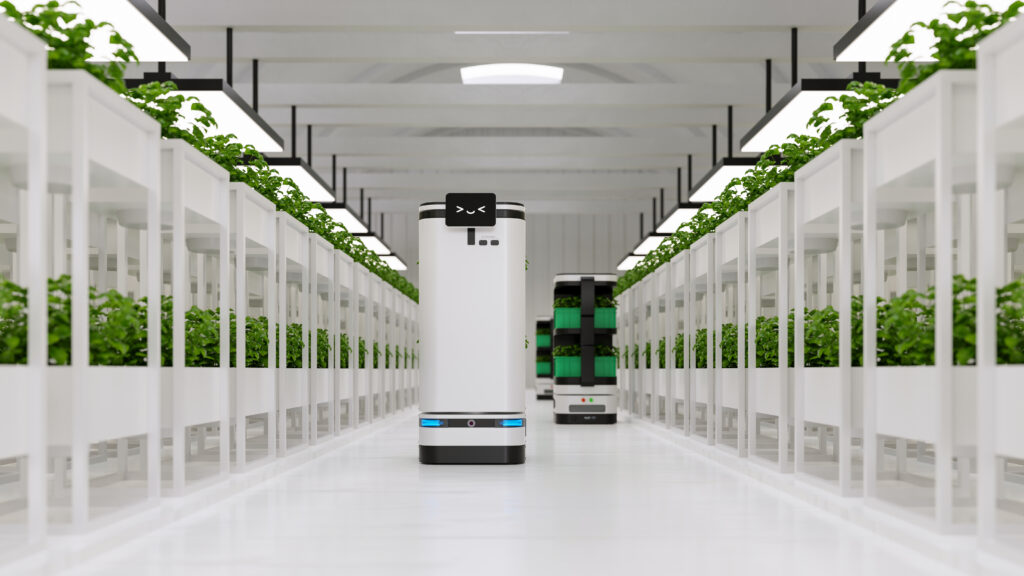
       ระบบไฟส่องสว่างอัตโนมัติช่วยเพิ่มประสิทธิภาพการใช้พลังงาน โดยปรับการใช้แสงสว่างให้เหมาะสมกับปัจจัยต่าง ๆ เช่น การมีคนอยู่ มีแสงแดด และการกำหนดเวลา ระบบนี้ใช้เซ็นเซอร์, ระบบอัตโนมัติ และเทคโนโลยีอัจฉริยะเพื่อปรับระดับแสงให้เหมาะสม เพื่อช่วยลดการใช้พลังงานที่ไม่จำเป็นและประหยัดต้นทุน

          โรงงานจะติดตั้งเซ็นเซอร์ตรวจจับการเข้าใช้พื้นที่หรือมีอยู่ของคน และเปิดไฟโดยอัตโนมัติเมื่อจำเป็นและปิดเมื่อไม่มีคนอยู่ เซ็นเซอร์แสงยังช่วยปรับระดับความสว่างจากหลอดไฟตามปริมาณแสงธรรมชาติที่มีอยู่ ลดความจำเป็นในการใช้แสงจากหลอดไฟฟ้าที่มีความเข้มเต็มที่ในวันที่แดดออก ระบบไฟส่องสว่างอัตโนมัติมักใช้หลอดไฟ LED หรือ OLED ซึ่งกินไฟน้อยกว่าหลอดฟลูออเรสเซนต์มาก หลอด LED ที่หรี่แสงได้ช่วยให้ควบคุมความเข้มของแสงได้อย่างแม่นยำ ช่วยปรับการใช้พลังงานให้เหมาะสมยิ่งขึ้น

         ระบบไฟอัตโนมัติสามารถผสานรวมกับระบบจัดการอาคาร (BMS) เพื่อตรวจสอบการใช้พลังงาน, ระบุส่วนที่สามารถปรับปรุงประสิทธิภาพพลังงานได้ และการตัดสินใจที่ขับเคลื่อนด้วยข้อมูลสำหรับการควบคุมไฟส่องสว่าง

การบำรุงรักษาเชิงคาดการณ์อัตโนมัติ

        เทคโนโลยีการบำรุงรักษาเชิงคาดการณ์ที่ทำงานร่วมกับระบบอัตโนมัติ สามารถระบุปัญหาที่อาจเกิดขึ้นได้ก่อนที่จะเกิดขึ้นจริง ช่วยหลีกเลี่ยงการซ่อมแซมที่สิ้นเปลืองพลังงานและดาวน์ไทม์ การบำรุงรักษาเชิงคาดการณ์อัตโนมัติมีประโยชน์มากมาย เช่น การลดต้นทุนการผลิตรวม (TMC), สำหรับการผลิตต้นทุนการบำรุงรักษา, การซ่อมแซม และการเปลี่ยนชิ้นส่วนอะไหล่ ซึ่งถือเป็นสัดส่วนที่มากของต้นทุนการผลิตโดยรวม นอกจากนี้ยังช่วยเพิ่มอายุใช้งานของชิ้นส่วนของเครื่องจักรอีกด้วย

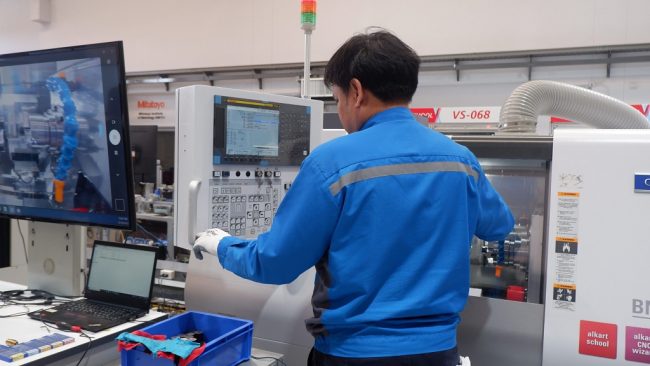
        ขั้นตอนแรกของการบำรุงรักษาเชิงคาดการณ์อัตโนมัติ คือการรวบรวมข้อมูลที่เกี่ยวข้องจากอุปกรณ์และเครื่องจักร ในโรงงาน โดยทั่วไปจะติดตั้งเซ็นเซอร์และหัวขับไว้ในอุปกรณ์และเครื่องจักรสำหรับการผลิต เพื่อตรวจสอบประสิทธิภาพและความสมบูรณ์ของอุปกรณ์และเครื่องจักร

         นอกจากนี้ยังสามารถใช้เครื่องมืออินเทอร์เฟซระหว่างมนุษย์กับเครื่องจักรอัจฉริยะ เพื่อตรวจติดตามอุณหภูมิ แรงสั่นสะเทือน และคุณลักษณะอื่น ๆ ของอุปกรณ์และเครื่องจักรในโรงงาน เมื่อมีข้อมูลที่บันทึกคุณสมบัติเหล่านี้ รวมถึงข้อมูลระยะเวลาที่อุปกรณ์และเครื่องจักรหยุดทำงานหรือเกิดขัดข้อง ผู้ประกอบการผลิตก็สามารถดำเนินกิจกรรมการบำรุงรักษาเชิงคาดการณ์อัตโนมัติได้
หุ่นยนต์ประหยัดพลังงาน

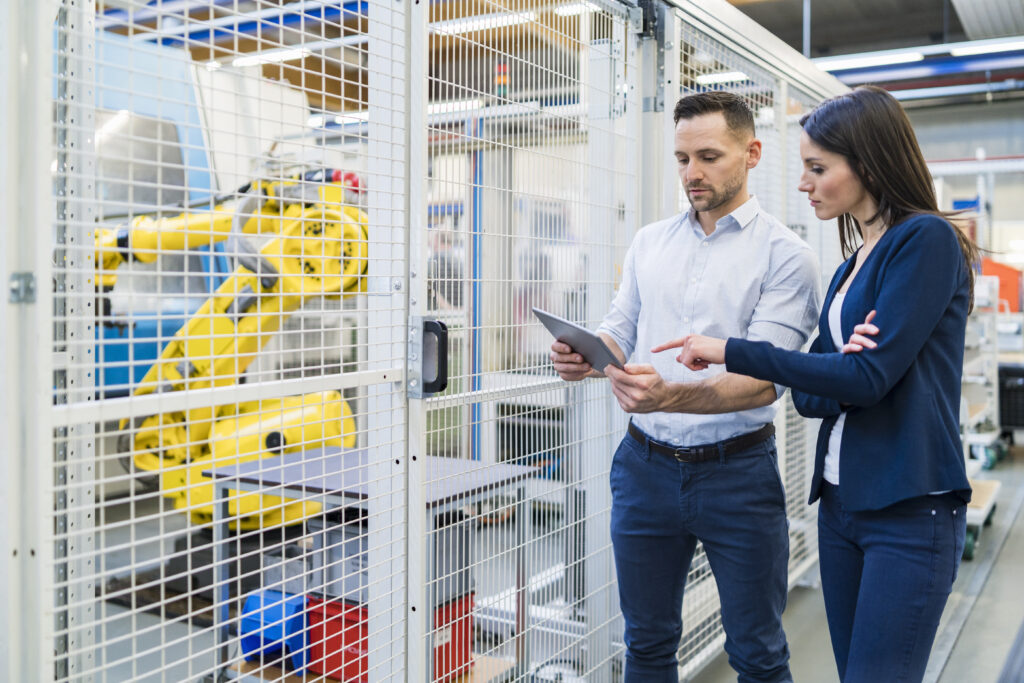
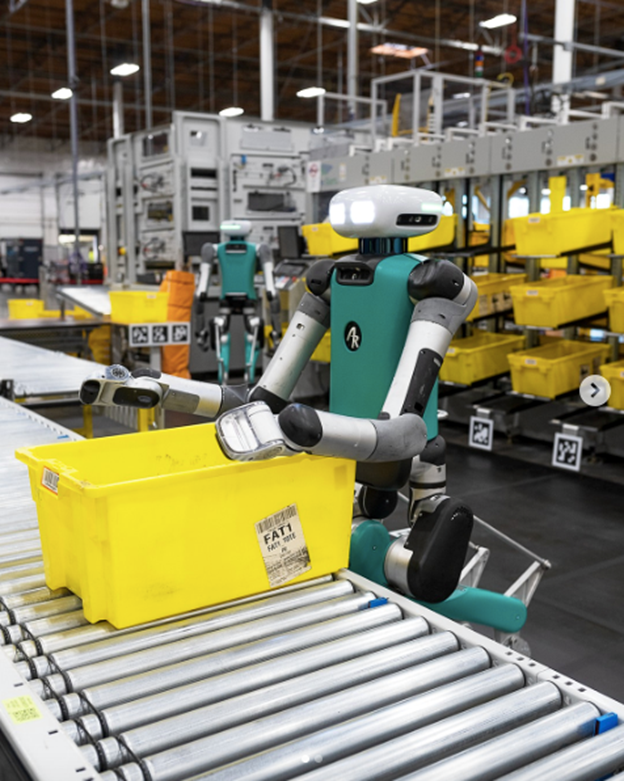
         หุ่นยนต์ประหยัดพลังงานได้รับการออกแบบมาเพื่อลดการใช้พลังงานในขณะที่ยังคงรักษาหรือเพิ่มประสิทธิภาพการทำงาน ซึ่งทำได้โดยใช้หลากหลายวิธี เช่น การปรับปรุงการออกแบบหุ่นยนต์ การใช้ส่วนประกอบประหยัดพลังงาน การใช้เทคนิคการเขียนโปรแกรมขั้นสูง และการใช้ประโยชน์จากเทคโนโลยี เช่น ระบบช่วยชาร์จพลังงานกลับสู่แบตเตอรี่ขับเคลื่อน (KERS) ความก้าวหน้าเหล่านี้ส่งผลให้ต้นทุนการทำงานของหุ่นยนต์ลดลง ลดการปล่อยคาร์บอน และเพิ่มความยั่งยืนในการใช้งานหุ่นยนต์

        การลดน้ำหนักโดยรวมของหุ่นยนต์ก็สามารถลดการใช้พลังงานได้อย่างมาก โดยเฉพาะอย่างยิ่งสำหรับหุ่นยนต์เคลื่อนที่และหุ่นยนต์ที่เกี่ยวข้องกับการยกหรือจัดการวัตถุหนัก ระบบ KERS สามารถชาร์จพลังงานกลับระหว่างการลดความเร็วและจ่ายพลังงานระหว่างการเร่งความเร็ว ซึ่งช่วยลดการพึ่งพาแหล่งพลังงานภายนอกได้อย่างมีประสิทธิภาพ โดยเฉพาะในการใช้งานที่มีรอบการเริ่ม-หยุดบ่อยครั้ง

ความท้าทายและโอกาส

         การนำโซลูชันระบบอัตโนมัติแบบยั่งยืนมาใช้ในอุตสาหกรรมการผลิตยังมีความท้าทายหลายประการ ได้แก่ ต้นทุนขั้นต้นที่สูง ความยุ่งยากในการบูรณาการกับระบบที่มีอยู่ และการขาดแคลนแรงงานทักษะ

       เพื่อรับมือกับความท้าทายเหล่านี้ ผู้ผลิตควรกำหนดกลยุทธ์ต่างๆ อย่างเป็นระบบ ประการแรก ควรให้ความสำคัญกับการบูรณาการแบบค่อยเป็นค่อยไป โดยเริ่มจากโครงการนำร่องขนาดเล็ก ซึ่งจะช่วยให้เห็นถึงประโยชน์ของระบบอัตโนมัติแบบยั่งยืน จากนั้นจึงลงทุนเพิ่มขึ้น เป็นการลดความเสี่ยงที่เกี่ยวข้องกับการลงทุนขนาดใหญ่ การแสวงหาความช่วยเหลือและการสนับสนุนจากโครงการสนับสนุนของรัฐก็ช่วยประหยัดต้นทุนได้ รัฐบาลหลายประเทศเสนอเงินอุดหนุนหรือเงินกู้ไม่มีดอกเบี้ย เพื่อยกระดับการผลิตสู่อุตสาหกรรม 4.0

แนวโน้มของระบบอัตโนมัติแบบยั่งยืน

          ด้วยบทบาทและพลังของ AI, ดิจิไทเซชั่น และแมชชีนเลิร์นนิ่ง จะผลักดันระบบอัตโนมัติแบบยั่งยืนไปพร้อมกับคลื่นแห่งเปลี่ยนแปลงอย่างรวดเร็วของอุตสาหกรรม เพื่อขับเคลื่อนไปสู่ “อุตสาหกรรม 5.0” ซึ่งจะไม่ใช่การปฏิวัติอุตสาหกรรมครั้งใหญ่ แต่ อุตสาหกรรม 5.0 จะเกิดขึ้นจากการใช้เทคโนโลยีที่มีอยู่ เช่น IoT และ Big Data อย่างกว้างขวาง โดยเน้นที่ความร่วมมือระหว่างมนุษย์กับเครื่องจักรและความยั่งยืน โดยมีระดับความยืดหยุ่นและการปรับแต่งตามความต้องการเฉพาะที่สูงขึ้น

สรุป

        ระบบอัตโนมัติแบบยั่งยืนมีบทบาทสำคัญในการบรรลุการพัฒนาระบบการผลิตที่ยั่งยืน ช่วยเพิ่มประสิทธิภาพด้านพลังงาน ลดของเสีย และปรับกระบวนการผลิตให้เหมาะสม ซึ่งจะช่วยให้เครื่องจักรทำงานได้อย่างมีประสิทธิภาพ ลดการใช้พลังงานที่ไม่จำเป็น และลดปริมาณคาร์บอนโดยรวม ดังนั้นการนำระบบอัตโนมัติแบบยั่งยืนมาใช้ถือเป็นการลงทุนเชิงกลยุทธ์ในการบรรลุเป้าหมายด้านความยั่งยืน

Article by: Asst. Prof. Suwan Juntiwasarakij, Ph.D., Senior Editor & MEGA Tech
Sustainable Automation for Green Manufacturing

Share with

        Manufacturing accounts for a significant portion of energy consumption. Natural energy resources, fossil especially, leave us harmful emissions, greenhouse gases and waste that create pollution to the environment. Moreover, these limited resources are already under strain leading to shortages, increased prices, and unstable supply.

       While automation is becoming the norm for modern manufacturing, MEGATech surveys the key innovations of automation that contribute to green solutions and takes a close look at the challenges and trends of this sustainable automation.

Going Green with Sustainable Automation

         Automation in manufacturing, while offers many benefits, it can play a crucial role in achieving green manufacturing. Sustainable automation involves implementing automated systems and processes in a way that minimizes the environment while maximizing efficiency. This includes optimizing energy consumption, reducing resource waste, and promoting ethical practices. With industrial automation, it is possible to improve data collection which enables businesses to be more transparent on compliance with environmental regulations.

         In recent years, significant advances in technology and the fast-growing markets have generated numerous innovations in automation. Here’s how automation contributes to sustainable and energy-efficient solutions:

Data-Driven Insights

         Data-driven insights are crucial for improving energy efficiency by providing detailed information on energy consumption and opportunities for optimization. This allows for more accurate energy demand prediction, better integration of renewable energy sources, and overall improved energy management. The IoT enables the collection of real-time data from various devices and systems through sensors, meters, and measuring equipment. Automated Metering Infrastructure (AMI provides dynamic, measured data to evaluate the effectiveness of energy conservation strategies.

          Data-driven online HVAC management frameworks can predict room temperature changes and optimize system operation, reducing energy consumption and peak demand.

Automated Lighting Systems

        Automated lighting systems enhance energy efficiency by optimizing lighting usage based on factors like occupancy, daylight availability, and scheduled times. These systems utilize sensors, automation, and smart technology to adjust lighting levels to help reduce unnecessary energy consumption and save costs.

        The factory installs occupancy sensors to detect the presence of people and automatically turn lights on when needed and off when the space is unoccupied. Light sensors help adjust artificial light levels based on the amount of natural light available, minimizing the need for full-intensity artificial lighting on sunny days. Automated lighting systems often utilize LED or OLED bulbs, which consume significantly less energy than traditional incandescent or fluorescent bulbs. Dimmable LEDs allow for precise control of light intensity, further optimizing energy use.

       Automated lighting systems can be integrated with Building Management Systems (BMS) to monitor energy consumption, identify areas for improvement, and make data-driven decisions about lighting control.

Automating Predictive Maintenance

        Predictive maintenance technologies integrated with automation can identify potential problems before they occur, preventing energy-intensive repairs and downtime. Automating predictive maintenance offers many benefits. For instance, a reduction in total manufacturing cost (TMC). In manufacturing, maintenance costs, repairs, and costly replacements add up to a considerable proportion of the TMC of developing a product. It also helps increase the service life of machine components.

       The first step to automating predictive maintenance involves the capture of relevant data from the equipment. In greenfield facilities, the general manufacturing equipment used is equipped with sensors and actuators that monitor performance and the health of components.

      A smart human-machine interface device can be used to track the temperature, vibration, and other aspects of a piece of equipment on the shop floor. With these historical data in place, as well as downtime or failure-rate data, the process of automating predictive maintenance activities across a shop floor can be accomplished.

Energy-Efficient Robots

      Energy-efficient robots are designed to minimize power consumption while maintaining or improving performance. This is achieved through various methods, including optimizing robot design, using energy-efficient components, implementing advanced programming techniques, and leveraging technologies like Kinetic Energy Recovery Systems (KERS). These advancements lead to reduced operational costs, lower carbon footprints, and improved sustainability in robotic applications.

      Reducing the overall weight of the robot can significantly decrease energy consumption, especially for mobile robots and those involved in lifting or manipulating heavy objects. KERS can capture energy during deceleration and release it during acceleration, effectively reducing the reliance on external power sources, especially in applications with frequent start-stop cycles.

Challenges and Opportunities

     Adopting sustainable automation solutions in the manufacturing industry presents several challenges. These include high initial costs, integration with existing systems, and a lack of skilled workforce.

        To address these challenges, manufacturers can put in place several strategies. First, they should prioritize gradual integration, starting with small-scale pilot projects. These can help demonstrate the benefits of sustainable automation. This approach allows for incremental investment and reduces the risks associated with large-scale changes. Seeking financial incentives and support from government programs can help avoid costs. Many governments offer subsidies or no-interest loans to encourage the adoption of Industry 4.0.

Trends in Sustainable Automation

        With the power of AI, digital transformation, and machine learning, sustainable automation will be riding the fast-changing industry wave to adopt Industry 5.0. Rather than a revolution, Industry 5.0 builds upon existing technologies like IoT and Big Data while emphasizing human-machine collaboration and sustainability, with a higher degree of flexibility and customization.

Conclusion

       Sustainable automation plays a crucial role in achieving sustainable manufacturing development. It helps to enhance energy efficiency, reduce waste and optimize the production process. This ensures machines operate efficiently, cuts down on unnecessary energy use and lowers the overall carbon footprint. With that said, embracing sustainable automation is a strategic move towards achieving sustainability goals.

Article by: Asst. Prof. Suwan Juntiwasarakij, Ph.D., Senior Editor & MEGA Tech

Sustainable Automation for Green Manufacturing

Share with

        Manufacturing accounts for a significant portion of energy consumption. Natural energy resources, fossil especially, leave us harmful emissions, greenhouse gases and waste that create pollution to the environment. Moreover, these limited resources are already under strain leading to shortages, increased prices, and unstable supply.

       While automation is becoming the norm for modern manufacturing, MEGATech surveys the key innovations of automation that contribute to green solutions and takes a close look at the challenges and trends of this sustainable automation.

Going Green with Sustainable Automation

         Automation in manufacturing, while offers many benefits, it can play a crucial role in achieving green manufacturing. Sustainable automation involves implementing automated systems and processes in a way that minimizes the environment while maximizing efficiency. This includes optimizing energy consumption, reducing resource waste, and promoting ethical practices. With industrial automation, it is possible to improve data collection which enables businesses to be more transparent on compliance with environmental regulations.

         In recent years, significant advances in technology and the fast-growing markets have generated numerous innovations in automation. Here’s how automation contributes to sustainable and energy-efficient solutions:

Data-Driven Insights

         Data-driven insights are crucial for improving energy efficiency by providing detailed information on energy consumption and opportunities for optimization. This allows for more accurate energy demand prediction, better integration of renewable energy sources, and overall improved energy management. The IoT enables the collection of real-time data from various devices and systems through sensors, meters, and measuring equipment. Automated Metering Infrastructure (AMI provides dynamic, measured data to evaluate the effectiveness of energy conservation strategies.

          Data-driven online HVAC management frameworks can predict room temperature changes and optimize system operation, reducing energy consumption and peak demand.

Automated Lighting Systems

        Automated lighting systems enhance energy efficiency by optimizing lighting usage based on factors like occupancy, daylight availability, and scheduled times. These systems utilize sensors, automation, and smart technology to adjust lighting levels to help reduce unnecessary energy consumption and save costs.

        The factory installs occupancy sensors to detect the presence of people and automatically turn lights on when needed and off when the space is unoccupied. Light sensors help adjust artificial light levels based on the amount of natural light available, minimizing the need for full-intensity artificial lighting on sunny days. Automated lighting systems often utilize LED or OLED bulbs, which consume significantly less energy than traditional incandescent or fluorescent bulbs. Dimmable LEDs allow for precise control of light intensity, further optimizing energy use.

       Automated lighting systems can be integrated with Building Management Systems (BMS) to monitor energy consumption, identify areas for improvement, and make data-driven decisions about lighting control.

Automating Predictive Maintenance

        Predictive maintenance technologies integrated with automation can identify potential problems before they occur, preventing energy-intensive repairs and downtime. Automating predictive maintenance offers many benefits. For instance, a reduction in total manufacturing cost (TMC). In manufacturing, maintenance costs, repairs, and costly replacements add up to a considerable proportion of the TMC of developing a product. It also helps increase the service life of machine components.

       The first step to automating predictive maintenance involves the capture of relevant data from the equipment. In greenfield facilities, the general manufacturing equipment used is equipped with sensors and actuators that monitor performance and the health of components.

      A smart human-machine interface device can be used to track the temperature, vibration, and other aspects of a piece of equipment on the shop floor. With these historical data in place, as well as downtime or failure-rate data, the process of automating predictive maintenance activities across a shop floor can be accomplished.

Energy-Efficient Robots

      Energy-efficient robots are designed to minimize power consumption while maintaining or improving performance. This is achieved through various methods, including optimizing robot design, using energy-efficient components, implementing advanced programming techniques, and leveraging technologies like Kinetic Energy Recovery Systems (KERS). These advancements lead to reduced operational costs, lower carbon footprints, and improved sustainability in robotic applications.

      Reducing the overall weight of the robot can significantly decrease energy consumption, especially for mobile robots and those involved in lifting or manipulating heavy objects. KERS can capture energy during deceleration and release it during acceleration, effectively reducing the reliance on external power sources, especially in applications with frequent start-stop cycles.

Challenges and Opportunities

     Adopting sustainable automation solutions in the manufacturing industry presents several challenges. These include high initial costs, integration with existing systems, and a lack of skilled workforce.

        To address these challenges, manufacturers can put in place several strategies. First, they should prioritize gradual integration, starting with small-scale pilot projects. These can help demonstrate the benefits of sustainable automation. This approach allows for incremental investment and reduces the risks associated with large-scale changes. Seeking financial incentives and support from government programs can help avoid costs. Many governments offer subsidies or no-interest loans to encourage the adoption of Industry 4.0.

Trends in Sustainable Automation

        With the power of AI, digital transformation, and machine learning, sustainable automation will be riding the fast-changing industry wave to adopt Industry 5.0. Rather than a revolution, Industry 5.0 builds upon existing technologies like IoT and Big Data while emphasizing human-machine collaboration and sustainability, with a higher degree of flexibility and customization.

Conclusion

       Sustainable automation plays a crucial role in achieving sustainable manufacturing development. It helps to enhance energy efficiency, reduce waste and optimize the production process. This ensures machines operate efficiently, cuts down on unnecessary energy use and lowers the overall carbon footprint. With that said, embracing sustainable automation is a strategic move towards achieving sustainability goals.

Article by: Asst. Prof. Suwan Juntiwasarakij, Ph.D., Senior Editor & MEGA Tech
May June 2019​

Creative Solutions by Professional Designers

+(48) 555-0120-88

hello@example.com

2972 Westheimer Rd. Santa
Ana, Illinois 85486

Main Offices
Monday-Friday: 8am-5pm
Saturday: 9am-Midday
© Industras 2024, All Rights Reserved.