Industras

แนวโน้มตลาดบรรจุภัณฑ์สู่การติดตามและการขนส่งอัจฉริยะ

Share with

บทบาทของบรรจุภัณฑ์

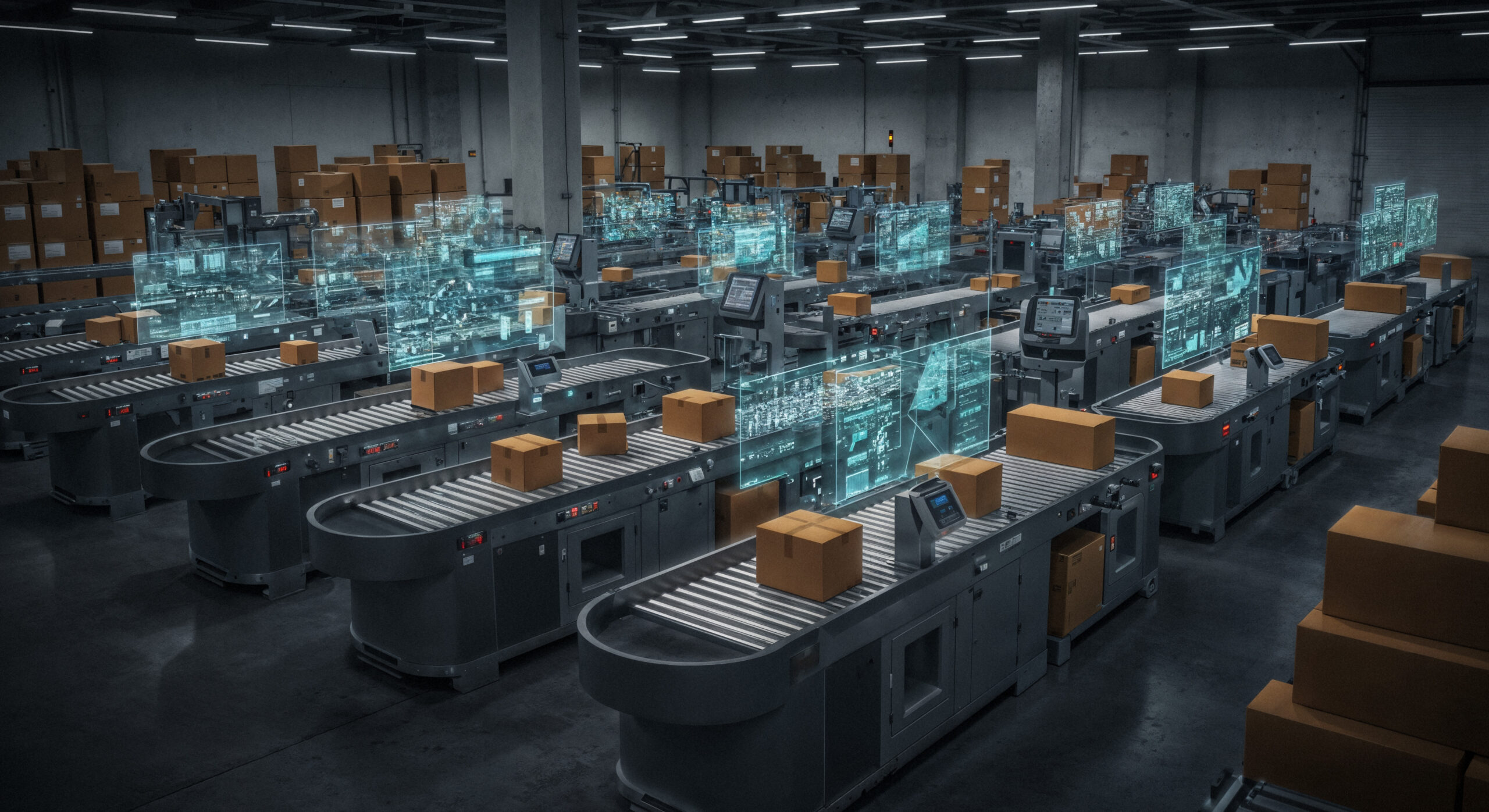
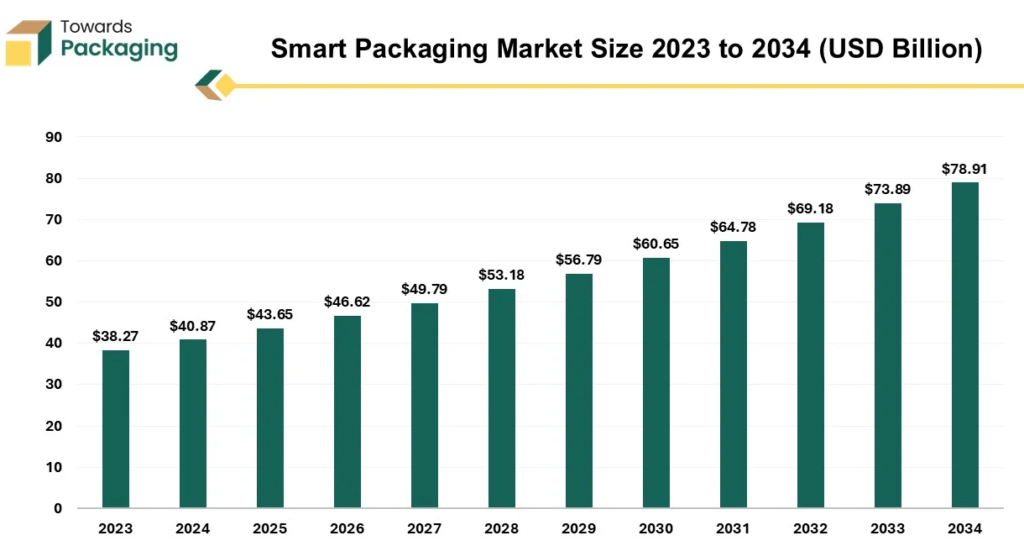
บทบาทของบรรจุภัณฑ์กำลังเปลี่ยนแปลงไปอย่างสิ้นเชิง จากเดิมที่เป็นเพียงภาชนะบรรจุที่ไม่มีบทบาทอะไร กลายเป็นเครื่องมือเชิงกลยุทธ์ที่สามารถสร้างข้อมูลได้ การเปลี่ยนแปลงนี้ขับเคลื่อนโดยการผสมผสานระหว่างบรรจุภัณฑ์และเทคโนโลยีดิจิทัล เช่น Internet of Things (IoT), RFID และ AI ซึ่งช่วยเชื่อมโยบสินค้าแต่ละชิ้นเข้ากับเครือข่ายโลจิสติกส์ทั่วโลก ตลาดบรรจุภัณฑ์อัจฉริยะทั่วโลกมีมูลค่าประมาณ 3 หมื่นล้านดอลลาร์สหรัฐในปี 2024 และคาดว่าจะเติบโตจนมีมูลค่าเกือบ 8 หมื่นล้านดอลลาร์สหรัฐภายในปี 2034 การเติบโตนี้เป็นผลมาจากการขยายตัวอย่างต่อเนื่องของอีคอมเมิร์ซ ความต้องการของผู้บริโภคที่อยากได้ข้อมูลผลิตภัณฑ์ที่โปร่งใส และความจำเป็นในการต่อสู้กับสินค้าลอกเลียนแบบ ทำให้การติดตามสินค้าแบบเรียลไทม์กลายเป็นสิ่งจำเป็นเพื่อความยืดหยุ่นและความสามารถในการแข่งขันของซัพพลายเชน
Source: Smart Packaging Market Growth, and Market Size Analysis 2034, TowardPackaging.com

Toward Packaging

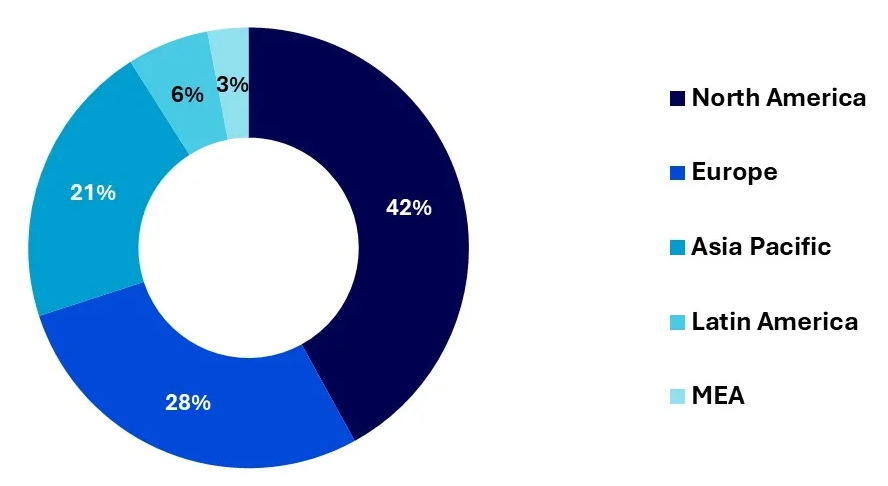
รายงานของ Toward Packaging ได้คาดการณ์ว่าตลาดบรรจุภัณฑ์อัจฉริยะทั่วโลกจะเติบโตขึ้นอย่างมาก จากมูลค่า 4.365 หมื่นล้านดอลลาร์สหรัฐในปี 2025 เป็น 7.891 หมื่นล้านดอลลาร์สหรัฐภายในปี 2034 ซึ่งคิดเป็นอัตราการเติบโตต่อปี (CAGR) ที่ 6.8% ในช่วงเวลาดังกล่าว ปัจจัยสำคัญที่ขับเคลื่อนการเติบโตนี้มาจากการนำเทคโนโลยี IoT และเซ็นเซอร์มาใช้อย่างแพร่หลาย ประกอบกับความต้องการของผู้บริโภคที่เพิ่มขึ้นในด้านความโปร่งใส การตรวจสอบย้อนกลับ และความยั่งยืนของผลิตภัณฑ์ นอกจากนี้ การขยายตัวของธุรกิจอีคอมเมิร์ซและกฎระเบียบที่เข้มงวดขึ้นเกี่ยวกับความปลอดภัยของอาหารและความสมบูรณ์ของผลิตภัณฑ์ยา ก็เป็นอีกปัจจัยสำคัญที่ช่วยเร่งการเติบโตของตลาด ในปี 2024 ทวีปอเมริกาเหนือครองส่วนแบ่งตลาดบรรจุภัณฑ์อัจฉริยะที่ใหญ่ที่สุด ขณะที่ภูมิภาคเอเชียแปซิฟิก ซึ่งคาดการณ์ว่าจะมีการเติบโตอย่างรวดเร็วในช่วงเวลาคาดการณ์ เมื่อพิจารณาตามประเภทของบรรจุภัณฑ์ บรรจุภัณฑ์แบบแอคทีฟ (Active Packaging) เป็นประเภทที่ครองตลาดในปี 2024 และเมื่อพิจารณาตามการใช้งาน อุตสาหกรรมอาหารและเครื่องดื่มเป็นกลุ่มที่ใช้บรรจุภัณฑ์อัจฉริยะมากที่สุดในปีเดียวกัน
<!-- wp:paragraph -->
<p>Comparative Analysis of Core Tracking Technologies</p>
<!-- /wp:paragraph -->

<!-- wp:paragraph -->
<p>Source: The Role of Real-Time Tracking in Shipping and Logistics, ILS; How IoT has Enhanced Supply Chain Visibility, Digital Matter;</p>
<!-- /wp:paragraph -->
Comparative Analysis of Core Tracking Technologies
Source: The Role of Real-Time Tracking in Shipping and Logistics, ILS; How IoT has Enhanced Supply Chain Visibility, Digital Matter;

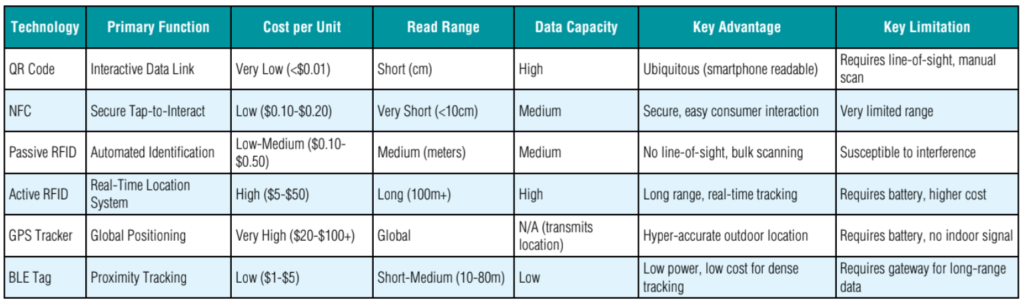
หัวใจของระบบนิเวศการติดตามอัจฉริยะคือการทำงานร่วมกันของกลุ่มเทคโนโลยีที่ส่งเสริมซึ่งกันและกันเพื่อสร้างการมองเห็นตลอดทั้งกระบวนการ ซึ่งประกอบด้วยเทคโนโลยีระบุเอกลักษณ์ด้วยคลื่นวิทยุ (RFID) สำหรับการสแกนสินค้าจำนวนมากโดยอัตโนมัติโดยไม่จำเป็นต้องอยู่ในแนวสายตา และคิวอาร์โค้ด (QR Code) ซึ่งเป็นช่องทางต้นทุนต่ำที่เชื่อมโยงสินค้าเข้ากับข้อมูลดิจิทัลผ่านการสแกนด้วยสมาร์ทโฟน สำหรับการติดตามตำแหน่งแบบเรียลไทม์ ระบบกำหนดตำแหน่งบนโลก (GPS) จะให้ข้อมูลที่แม่นยำเมื่ออยู่ภายนอกอาคาร ในขณะที่ Wi-Fi, สัญญาณโทรศัพท์ และ Bluetooth Low Energy (BLE) จะช่วยให้การติดตามเป็นไปอย่างต่อเนื่องเมื่ออยู่ในอาคารหรือพื้นที่จำกัด นอกเหนือจากตำแหน่งที่ตั้ง ชุดเซ็นเซอร์ Internet of Things (IoT) ยังทำหน้าที่ตรวจสอบสภาวะของผลิตภัณฑ์ เช่น อุณหภูมิ ความชื้น การกระแทก และการถูกเปิดทำลาย เพื่อรับประกันคุณภาพและความปลอดภัย พลังที่แท้จริงของระบบนิเวศนี้ไม่ได้อยู่ที่เทคโนโลยีใดเทคโนโลยีหนึ่ง แต่เกิดจากแพลตฟอร์มซอฟต์แวร์ที่หลอมรวมข้อมูลจากแหล่งต่างๆ เหล่านี้ให้กลายเป็นบันทึกดิจิทัลที่สมบูรณ์และมีรายละเอียดของการเดินทางทั้งหมดของสินค้า

ระบบโลจิสติกส์อัจฉริยะนั้นประกอบขึ้นจากเทคโนโลยีบรรจุภัณฑ์ประเภทต่างๆ บรรจุภัณฑ์เชิงรุก (Active packaging) ซึ่งเป็นประเภทที่แพร่หลายที่สุด ช่วยยืดอายุผลิตภัณฑ์ด้วยคุณสมบัติต่างๆ เช่น ตัวดูดซับออกซิเจน บรรจุภัณฑ์อัจฉริยะ (Intelligent packaging) ซึ่งเป็นประเภทที่เติบโตเร็วที่สุด ใช้เซ็นเซอร์ในการตรวจสอบและรายงานข้อมูลของผลิตภัณฑ์ เช่น อุณหภูมิ ส่วนบรรจุภัณฑ์เชื่อมต่อ (Connected packaging) ใช้เทคโนโลยีอย่างคิวอาร์โค้ดและ NFC เพื่อเป็นช่องทางสื่อสารโดยตรงกับผู้บริโภคเพื่อยืนยันความแท้ของผลิตภัณฑ์และเพื่อการตลาด เทคโนโลยีเหล่านี้ทำงานโดยอาศัยตัวระบุแบบดิจิทัล เซ็นเซอร์ IoT และบล็อกเชนเพื่อบันทึกการเดินทางของผลิตภัณฑ์อย่างปลอดภัย อย่างไรก็ตาม อุปสรรคสำคัญที่ขัดขวางการนำไปใช้ในวงกว้างคือต้นทุนที่สูง ความซับซ้อนในการผนวกรวมเข้ากับระบบเดิม ความเสี่ยงด้านความปลอดภัยของข้อมูล และผลกระทบต่อสิ่งแวดล้อมจากการเพิ่มชิ้นส่วนอิเล็กทรอนิกส์ลงในบรรจุภัณฑ์
<!-- wp:paragraph -->
<p>Smart packaging market share by region</p>
<!-- /wp:paragraph -->

<!-- wp:paragraph -->
<p>Source: Smart Packaging Market Size, Share, and Trends 2024 to 2034, Precedence Research</p>
<!-- /wp:paragraph -->
Smart packaging market share by region
Source: Smart Packaging Market Size, Share, and Trends 2024 to 2034, Precedence Research

Mordor Intelligence

รายงานของ Mordor Intelligence ระบุว่าสหรัฐอเมริกาเป็นผู้นำในตลาดบรรจุภัณฑ์อัจฉริยะของทวีปอเมริกาเหนือ โดยครองส่วนแบ่งการตลาดประมาณ 84% ในปี 2024 ความโดดเด่นนี้ได้รับแรงหนุนจากกฎระเบียบของภาครัฐที่เอื้ออำนวยและการให้ความสำคัญอย่างยิ่งต่อความยั่งยืน สหรัฐฯ เป็นแนวหน้าในการประยุกต์ใช้เทคโนโลยีบรรจุภัณฑ์ใหม่ๆ โดยเฉพาะอย่างยิ่งในอุตสาหกรรมอาหารและการดูแลสุขภาพ ความต้องการโซลูชันการติดตามและตรวจสอบย้อนกลับ ซึ่งขับเคลื่อนโดยกฎหมายอย่าง “Drug Supply Chain Security Act” กำลังกระตุ้นให้เกิดการเติบโตอย่างแข็งแกร่งในกลุ่มบรรจุภัณฑ์ยา ตลาดยุโรปสำหรับบรรจุภัณฑ์อัจฉริยะนั้นมีความก้าวหน้า ซึ่งมีปัจจัยสำคัญมาจากการตระหนักถึงปัญหาสิ่งแวดล้อมอย่างจริงจังและนวัตกรรมทางเทคโนโลยี ตลาดหลักอย่างเยอรมนี สหราชอาณาจักร และฝรั่งเศส ต่างมีบทบาทสำคัญในการขยายตัวของอุตสาหกรรมนี้ ปัจจัยขับเคลื่อนที่สำคัญในภูมิภาคนี้คือการใช้บรรจุภัณฑ์อัจฉริยะเพื่อลดขยะอาหาร ซึ่งได้รับการสนับสนุนจากโครงการและกฎระเบียบต่างๆ ของสหภาพยุโรป การนำเทคโนโลยีอย่าง RFID, NFC และฉลากอัจฉริยะมาใช้เป็นที่แพร่หลายในอุตสาหกรรมต่างๆ
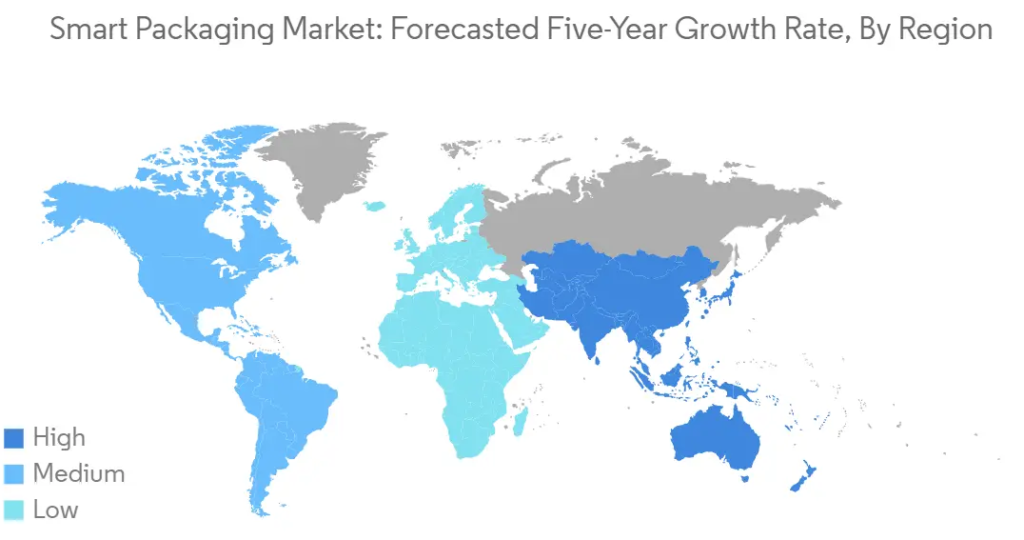
Smart packaging market over the forecasted five-year growth rate by region
Source: Mordor Intelligence
Smart packaging market over the forecasted five-year growth rate by region
Source: Mordor Intelligence

ภูมิภาคเอเชียแปซิฟิกมีตลาดบรรจุภัณฑ์อัจฉริยะที่คึกคักและเติบโตอย่างรวดเร็วที่สุด ประมาณ 8% นับตั้งแต่ปี 2024 จนถึง 2029  ประกอบด้วยเศรษฐกิจหลักอย่างจีน ญี่ปุ่น และอินเดีย การเติบโตอย่างมีนัยสำคัญของตลาด ได้รับแรงผลักดันจากการขยายตัวของเมือง การรับรู้ของผู้บริโภคที่เพิ่มขึ้น และความก้าวหน้าทางเทคโนโลยี แต่ละประเทศในภูมิภาคมีจุดแข็งที่แตกต่างกัน ทำให้มีอัตราการนำไปใช้ในอุตสาหกรรมต่างๆ ไม่เท่ากัน ภูมิภาคนี้มีความโดดเด่นในด้านบรรจุภัณฑ์แบบแอคทีฟ (active packaging) ฉลากอัจฉริยะ และเทคโนโลยี RFID จีนเป็นผู้นำตลาดบรรจุภัณฑ์อัจฉริยะในภูมิภาคเอเชียแปซิฟิก โดยได้รับแรงขับเคลื่อนจากตลาดยาขนาดใหญ่และความใส่ใจในความปลอดภัยของอาหารที่เพิ่มขึ้น อุตสาหกรรมบรรจุภัณฑ์อัจฉริยะของประเทศได้รับการส่งเสริมจากการพัฒนาทางเทคโนโลยีอย่างรวดเร็วและการสนับสนุนจากภาครัฐผ่านโครงการอย่าง ‘Made in China 2025’ ตลาดมีความแข็งแกร่งเป็นพิเศษในด้านบรรจุภัณฑ์ยา โซลูชันเพื่อลดขยะอาหาร และการจัดการห่วงโซ่อุปทาน

Article by: Asst. Prof. Suwan Juntiwasarakij, Ph.D., Senior Editor & MEGA Tech
From Smart Packaging to Smart Tracking and to Smart Logistics: Market and Trends

Share with

Packaging is no longer just a simple container; it’s transforming into a smart, data-producing tool. This change is driven by the integration of digital technologies like the Internet of Things (IoT), RFID, and AI, which connect each product to the global supply chain. The market for this “smart packaging” was worth about $30 billion in 2024 and is expected to grow to nearly $80 billion by 2034. This growth is fueled by the boom in online shopping, consumers’ desire for honest information about products, and the urgent need to stop fake goods, making real-time tracking essential for a strong and competitive supply chain.

Source: Smart Packaging Market Growth, and Market Size Analysis 2034, TowardPackaging.com

According to Toward Packaging’s report, the worldwide market for smart packaging is projected to increase substantially, from an estimated USD 43.65 billion in 2025 to USD 78.91 billion by 2034. This represents a compound annual growth rate (CAGR) of 6.8% over this nine-year period. Key factors fueling this growth include the widespread integration of IoT and sensor technologies, as well as rising consumer expectations for product transparency, traceability, and sustainability. The continued rise of online shopping and stricter government regulations concerning food safety and the integrity of pharmaceuticals are also significant contributors to this market expansion. In 2024, North America held the largest share of the smart packaging market. Looking ahead, the Asia Pacific region is anticipated to experience rapid growth. In terms of product type, active packaging was the leading category in 2024, while the food and beverages sector was the primary application for smart packaging in the same year.

<!-- wp:paragraph -->
<p>Comparative Analysis of Core Tracking Technologies</p>
<!-- /wp:paragraph -->

<!-- wp:paragraph -->
<p>Source: The Role of Real-Time Tracking in Shipping and Logistics, ILS; How IoT has Enhanced Supply Chain Visibility, Digital Matter;</p>
<!-- /wp:paragraph -->
Comparative Analysis of Core Tracking Technologies
Source: The Role of Real-Time Tracking in Shipping and Logistics, ILS; How IoT has Enhanced Supply Chain Visibility, Digital Matter;

The foundation of the smart tracking ecosystem is a “stack” of complementary technologies that provide comprehensive visibility. This includes Radio Frequency Identification (RFID) for automated, high-volume scanning without a direct line of sight, and QR codes which offer a low-cost, universally scannable link to digital information via smartphones. For real-time location, Global Positioning System (GPS) delivers precise outdoor tracking, while Wi-Fi, Cellular, and Bluetooth Low Energy (BLE) ensure continuous monitoring indoors or within confined spaces. Beyond location, a suite of Internet of Things (IoT) sensors monitors the product’s condition—tracking temperature, humidity, shock, and tampering to guarantee quality and security. The true power of this ecosystem lies not in any single technology, but in software platforms that fuse these disparate data streams into one coherent, detailed digital record of the shipment’s entire journey.

The smart logistics system relies on different types of packaging technology. Active packaging, the most common type, helps products last longer with features like oxygen absorbers. Intelligent packaging, which is the fastest-growing type, uses sensors to check and report a product’s condition, such as its temperature. Connected packaging uses QR codes and NFC to communicate directly with consumers for things like proving a product’s authenticity and marketing. These technologies are supported by digital identifiers, IoT sensors, and blockchain to securely track a product’s journey. However, the high cost of implementation, difficulties in integrating with old systems, data security concerns, and the environmental impact of adding electronics to packaging are significant obstacles to wider adoption.

<!-- wp:paragraph -->
<p>Smart packaging market share by region</p>
<!-- /wp:paragraph -->

<!-- wp:paragraph -->
<p>Source: Smart Packaging Market Size, Share, and Trends 2024 to 2034, Precedence Research</p>
<!-- /wp:paragraph -->
Smart packaging market share by region
Source: Smart Packaging Market Size, Share, and Trends 2024 to 2034, Precedence Research

According to Mordor Intelligence report, the United States is the leader in the North American smart packaging market, holding about 84% of the market share in 2024. This dominance is supported by supportive government regulations and a significant emphasis on sustainability. The U.S. is at the forefront of applying new packaging technologies, especially in the food and healthcare sectors. The demand for track-and-trace solutions, driven by laws like the Drug Supply Chain Security Act, is fueling strong growth in the pharmaceutical packaging segment. Europe’s smart packaging market is advanced, shaped by a strong focus on environmental issues and new technologies. Key markets like Germany, the UK, and France each play a unique role in the industry’s expansion. A major driver in this region is the use of smart packaging to decrease food waste, which is backed by various EU programs and rules. The adoption of technologies such as RFID, NFC, and smart labels is widespread across different industries.

Smart packaging market over the forecasted five-year growth rate by region
Source: Mordor Intelligence
Smart packaging market over the forecasted five-year growth rate by region
Source: Mordor Intelligence

The Asia-Pacific region has a vibrant and quickly growing market for smart packaging, with major economies like China, Japan, and India. The market’s significant growth is fueled by expanding cities, greater consumer knowledge, and technological progress. Different countries in the area contribute distinct advantages, leading to varied adoption rates across industries. The region excels in active packaging, smart labels, and RFID technology. China is the frontrunner in the Asia-Pacific smart packaging market, propelled by its huge pharmaceutical industry and a heightened concern for food safety. The nation’s smart packaging industry is boosted by fast technological development and government backing through programs such as ‘Made in China 2025’. The market is particularly strong in pharmaceutical packaging, solutions for reducing food waste, and supply chain management.

Article by: Asst. Prof. Suwan Juntiwasarakij, Ph.D., Senior Editor & MEGA Tech
From Smart Packaging to Smart Tracking and to Smart Logistics: Market and Trends

Share with

Packaging is no longer just a simple container; it’s transforming into a smart, data-producing tool. This change is driven by the integration of digital technologies like the Internet of Things (IoT), RFID, and AI, which connect each product to the global supply chain. The market for this “smart packaging” was worth about $30 billion in 2024 and is expected to grow to nearly $80 billion by 2034. This growth is fueled by the boom in online shopping, consumers’ desire for honest information about products, and the urgent need to stop fake goods, making real-time tracking essential for a strong and competitive supply chain.

Source: Smart Packaging Market Growth, and Market Size Analysis 2034, TowardPackaging.com

According to Toward Packaging’s report, the worldwide market for smart packaging is projected to increase substantially, from an estimated USD 43.65 billion in 2025 to USD 78.91 billion by 2034. This represents a compound annual growth rate (CAGR) of 6.8% over this nine-year period. Key factors fueling this growth include the widespread integration of IoT and sensor technologies, as well as rising consumer expectations for product transparency, traceability, and sustainability. The continued rise of online shopping and stricter government regulations concerning food safety and the integrity of pharmaceuticals are also significant contributors to this market expansion. In 2024, North America held the largest share of the smart packaging market. Looking ahead, the Asia Pacific region is anticipated to experience rapid growth. In terms of product type, active packaging was the leading category in 2024, while the food and beverages sector was the primary application for smart packaging in the same year.

<!-- wp:paragraph -->
<p>Comparative Analysis of Core Tracking Technologies</p>
<!-- /wp:paragraph -->

<!-- wp:paragraph -->
<p>Source: The Role of Real-Time Tracking in Shipping and Logistics, ILS; How IoT has Enhanced Supply Chain Visibility, Digital Matter;</p>
<!-- /wp:paragraph -->
Comparative Analysis of Core Tracking Technologies
Source: The Role of Real-Time Tracking in Shipping and Logistics, ILS; How IoT has Enhanced Supply Chain Visibility, Digital Matter;

The foundation of the smart tracking ecosystem is a “stack” of complementary technologies that provide comprehensive visibility. This includes Radio Frequency Identification (RFID) for automated, high-volume scanning without a direct line of sight, and QR codes which offer a low-cost, universally scannable link to digital information via smartphones. For real-time location, Global Positioning System (GPS) delivers precise outdoor tracking, while Wi-Fi, Cellular, and Bluetooth Low Energy (BLE) ensure continuous monitoring indoors or within confined spaces. Beyond location, a suite of Internet of Things (IoT) sensors monitors the product’s condition—tracking temperature, humidity, shock, and tampering to guarantee quality and security. The true power of this ecosystem lies not in any single technology, but in software platforms that fuse these disparate data streams into one coherent, detailed digital record of the shipment’s entire journey.

The smart logistics system relies on different types of packaging technology. Active packaging, the most common type, helps products last longer with features like oxygen absorbers. Intelligent packaging, which is the fastest-growing type, uses sensors to check and report a product’s condition, such as its temperature. Connected packaging uses QR codes and NFC to communicate directly with consumers for things like proving a product’s authenticity and marketing. These technologies are supported by digital identifiers, IoT sensors, and blockchain to securely track a product’s journey. However, the high cost of implementation, difficulties in integrating with old systems, data security concerns, and the environmental impact of adding electronics to packaging are significant obstacles to wider adoption.

<!-- wp:paragraph -->
<p>Smart packaging market share by region</p>
<!-- /wp:paragraph -->

<!-- wp:paragraph -->
<p>Source: Smart Packaging Market Size, Share, and Trends 2024 to 2034, Precedence Research</p>
<!-- /wp:paragraph -->
Smart packaging market share by region
Source: Smart Packaging Market Size, Share, and Trends 2024 to 2034, Precedence Research

According to Mordor Intelligence report, the United States is the leader in the North American smart packaging market, holding about 84% of the market share in 2024. This dominance is supported by supportive government regulations and a significant emphasis on sustainability. The U.S. is at the forefront of applying new packaging technologies, especially in the food and healthcare sectors. The demand for track-and-trace solutions, driven by laws like the Drug Supply Chain Security Act, is fueling strong growth in the pharmaceutical packaging segment. Europe’s smart packaging market is advanced, shaped by a strong focus on environmental issues and new technologies. Key markets like Germany, the UK, and France each play a unique role in the industry’s expansion. A major driver in this region is the use of smart packaging to decrease food waste, which is backed by various EU programs and rules. The adoption of technologies such as RFID, NFC, and smart labels is widespread across different industries.

Smart packaging market over the forecasted five-year growth rate by region
Source: Mordor Intelligence
Smart packaging market over the forecasted five-year growth rate by region
Source: Mordor Intelligence

The Asia-Pacific region has a vibrant and quickly growing market for smart packaging, with major economies like China, Japan, and India. The market’s significant growth is fueled by expanding cities, greater consumer knowledge, and technological progress. Different countries in the area contribute distinct advantages, leading to varied adoption rates across industries. The region excels in active packaging, smart labels, and RFID technology. China is the frontrunner in the Asia-Pacific smart packaging market, propelled by its huge pharmaceutical industry and a heightened concern for food safety. The nation’s smart packaging industry is boosted by fast technological development and government backing through programs such as ‘Made in China 2025’. The market is particularly strong in pharmaceutical packaging, solutions for reducing food waste, and supply chain management.

Article by: Asst. Prof. Suwan Juntiwasarakij, Ph.D., Senior Editor & MEGA Tech

May June 2019​

Creative Solutions by Professional Designers

+(48) 555-0120-88

hello@example.com

2972 Westheimer Rd. Santa
Ana, Illinois 85486

Main Offices
Monday-Friday: 8am-5pm
Saturday: 9am-Midday
© Industras 2024, All Rights Reserved.